
Troubleshooting Common Refrigerator Cooling Issues


Understanding Common Refrigerator Cooling Issues
Refrigerators are essential household appliances, but they can sometimes run into cooling problems. Understanding these issues can help in resolving them quickly, ensuring your food remains fresh. Let’s explore some common refrigerator cooling issues and how to troubleshoot them.
Checking the Thermostat
The thermostat is the first component to inspect if your refrigerator isn’t cooling properly. Ensure it’s set to the optimal temperature, typically between 35-38 degrees Fahrenheit for refrigerators. If the thermostat setting is correct, but the temperature is off, it may be faulty and require replacement.
Inspecting the Door Seals
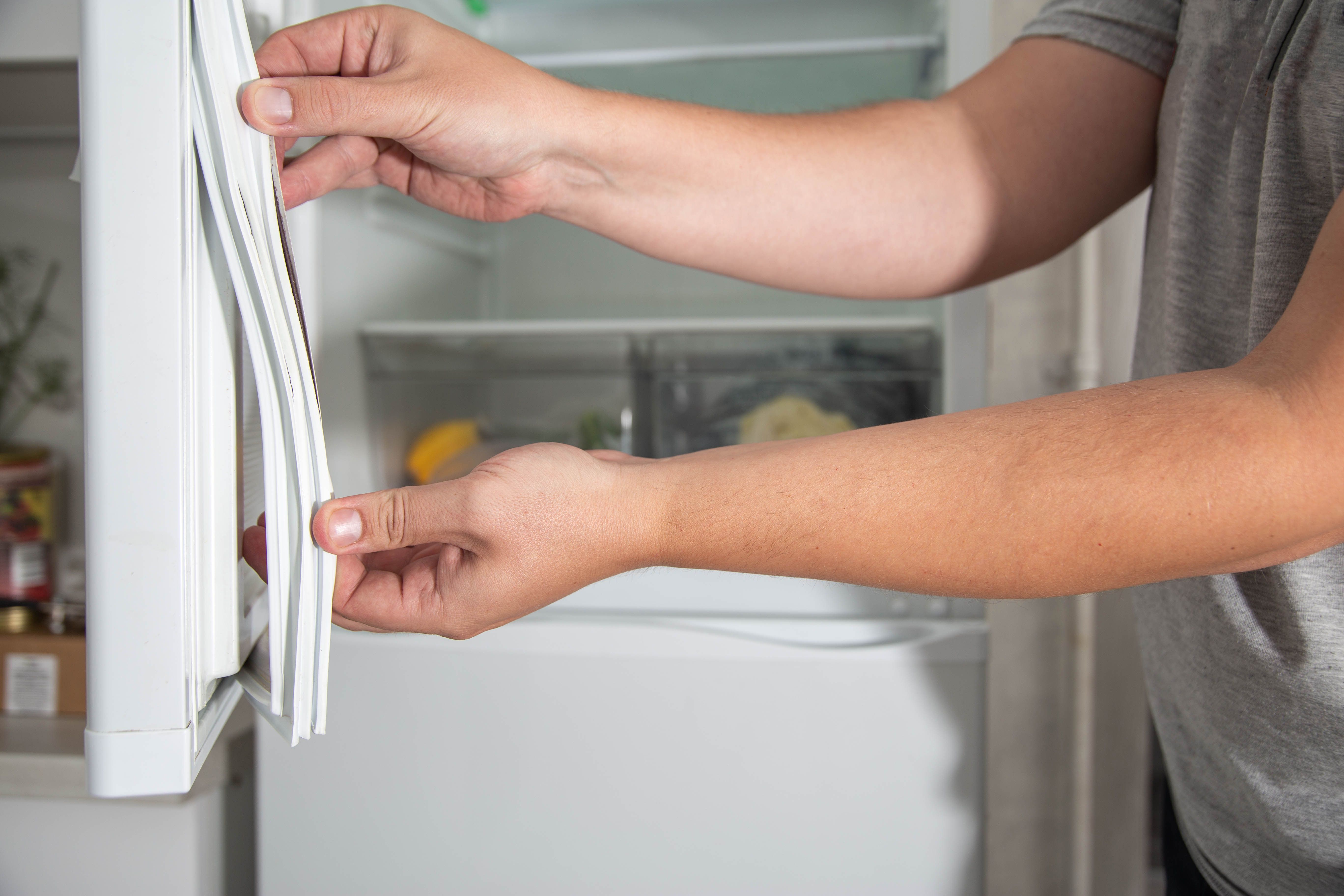
Worn or damaged door seals can let cool air escape, affecting the refrigerator's efficiency. To check the seals, close the refrigerator door on a piece of paper. If you can pull the paper out easily, the seals may need replacement. Clean the seals regularly to prevent dirt buildup, which can also compromise their effectiveness.
Examining the Condenser Coils
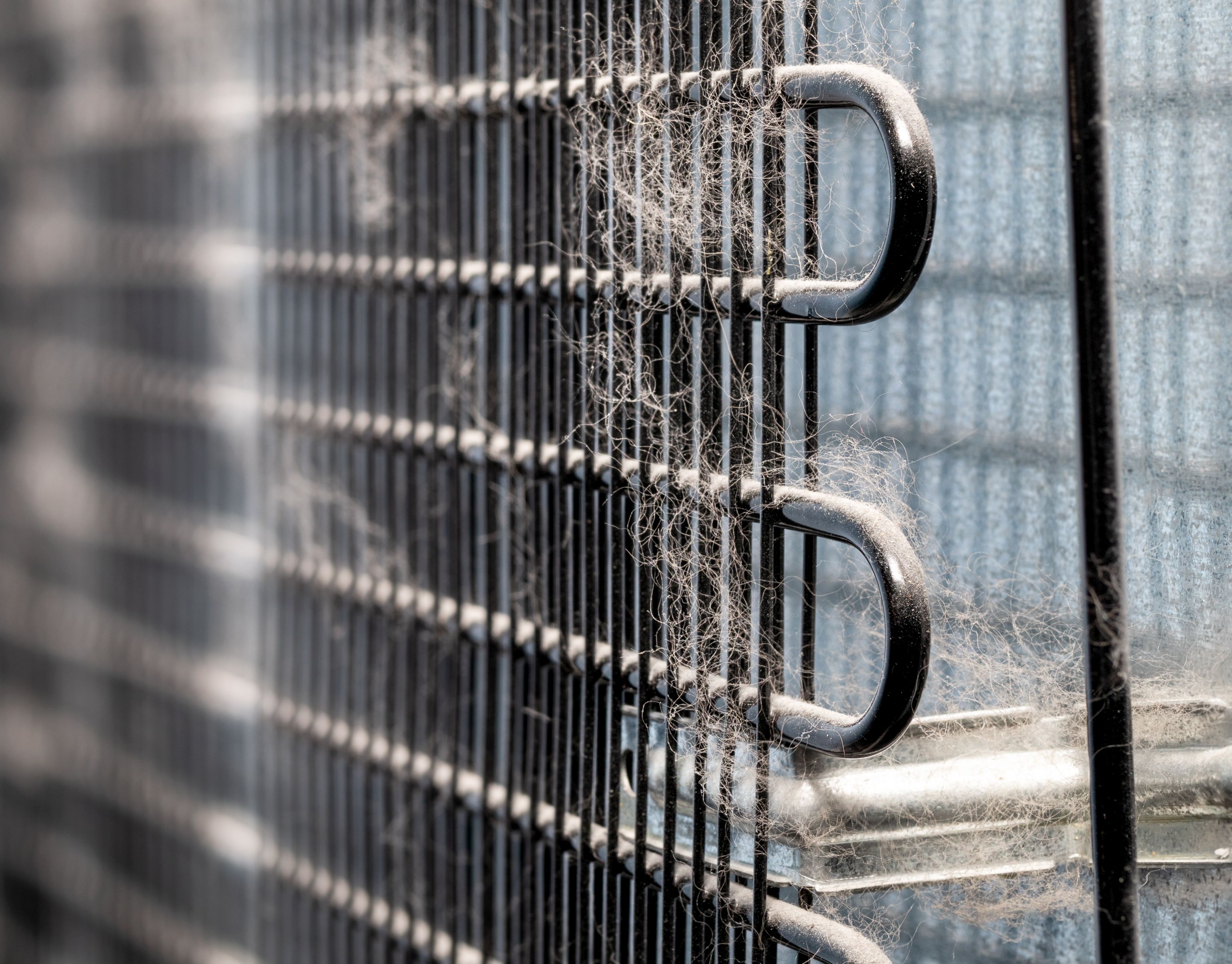
Condenser coils, located either at the back or underneath the refrigerator, can accumulate dust and debris. This accumulation hampers the cooling process. It’s advisable to clean these coils every six months using a vacuum cleaner or a coil brush to maintain efficient cooling.
Ensuring Proper Airflow
Blocked vents can restrict airflow, causing cooling issues. Ensure the vents inside the refrigerator are not obstructed by food items. Additionally, maintain some space between the refrigerator and the wall to allow proper airflow around the appliance.
Checking the Evaporator Fan
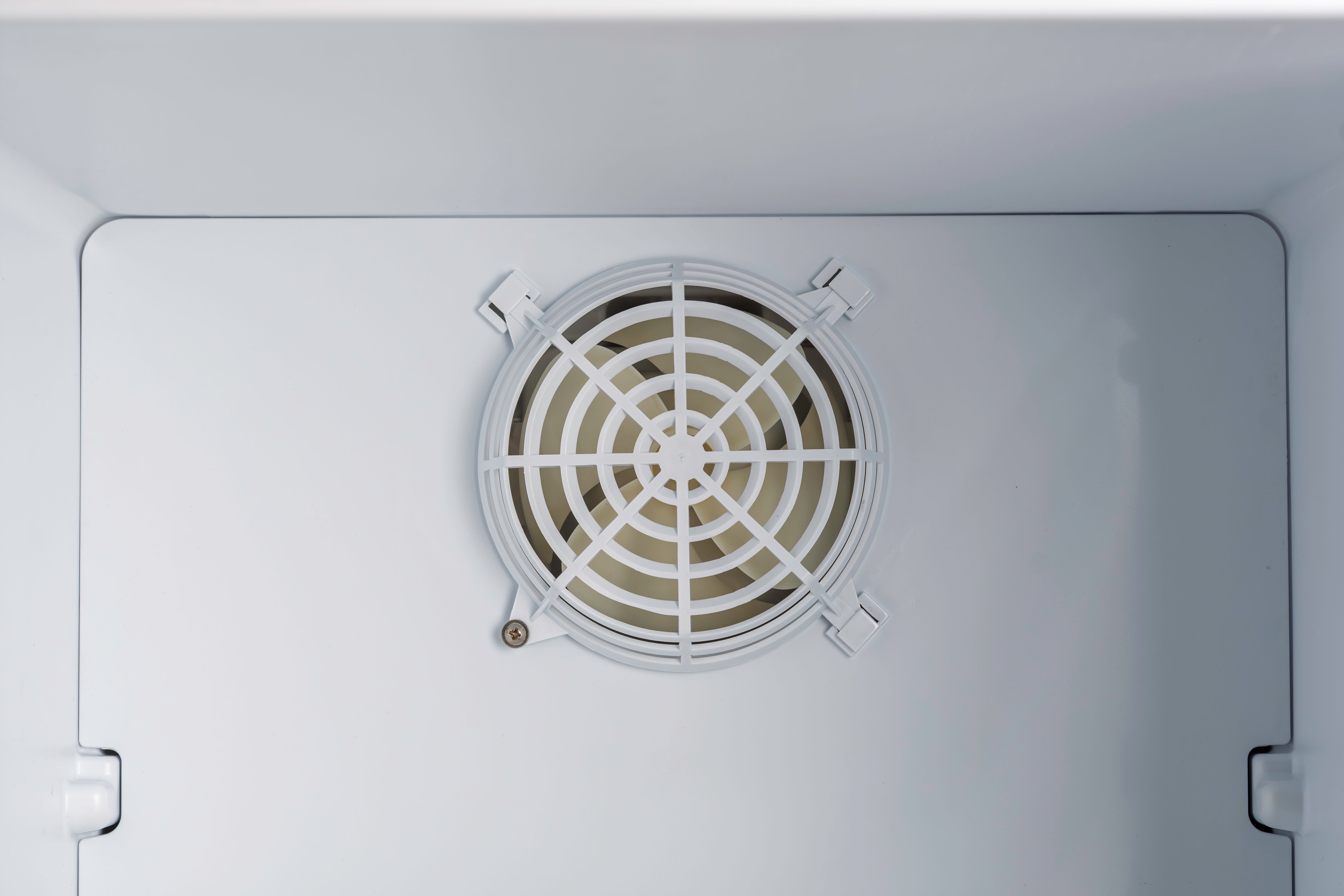
The evaporator fan is crucial for circulating cool air throughout the refrigerator. If it’s not working, the refrigerator won’t cool properly. Listen for unusual noises indicating a problem with the fan motor. A faulty fan motor may need to be replaced by a professional.
Testing the Start Relay
The start relay helps the compressor start and run. If your refrigerator isn’t cooling, a faulty start relay could be the culprit. You can test it using a multimeter for continuity. If it’s defective, replacing it might solve the cooling issue.
When to Call a Professional
While some troubleshooting steps can be done independently, certain issues may require professional assistance. If you've tried the above methods and your refrigerator still isn't cooling, it might be time to call a technician. They can diagnose and fix complex problems like compressor failures or refrigerant leaks.
By understanding and addressing these common issues, you can often restore your refrigerator’s cooling efficiency quickly. Regular maintenance and prompt attention to problems can extend the life of your appliance and keep your food fresh.